Showing posts with label essential oils. Show all posts

Monday, September 10, 2012

The Travelling Perfume

Today it finally arrived in my humble abode!
The Travelling Perfume Bottle is the Mind Child of the wonderful Monica Miller of Perfume Pharmer.

"I wanted to make a Perfume for PEACE
I wanted to travel all around the world collecting ingredients...prayers for PEACE...things like....
from the Zapatista people in Mexico...the FREEDOM that they crave ..if we put in the bottle the prayer for FREEDOM from people who so fervently pray for FREEDOM then that prayer is carried throughout the world in the bottle and becomes part of the homeopathic medicine....there is s song..."everything is everything" and there is a saying... that in everything is the seed of its apparent opposite
I came to understand that I didnt have to travel all over the world collecting ingredients and I began to see it as not so much a personal project but a co created project".

taken on patrol in a small village with the Taliban shooting from the right.
It started off with one of the Grandmother's of Natural Perfumery, the great Jeanne Rose. Her son is fighting in Aphganistan. And she tinctured one of his combat gloves. What a start for a perfume project for Peace?!!!
It has since travelled through many countries, and many perfumers, each adding a few drops of oil, special herbs or sacred waters...and it's quite an amazing thing...
As I open the bottle, it's like the impact of hundreds of different voices...so many scents, so many layers have been added as it travelled. It's dark brown, sticky and full of wierd bit's and bobs, like some kind of primordial ooze....There are flower scents, and herbs, and deep musky layers..like an over the top kaleidoscope of perfumes from many cultures...
I have to put the bottle down and take a deep breath as my head is spinning just from one sniff!
I take a few more carefull sniffs and then start thinking about what I can add to this....
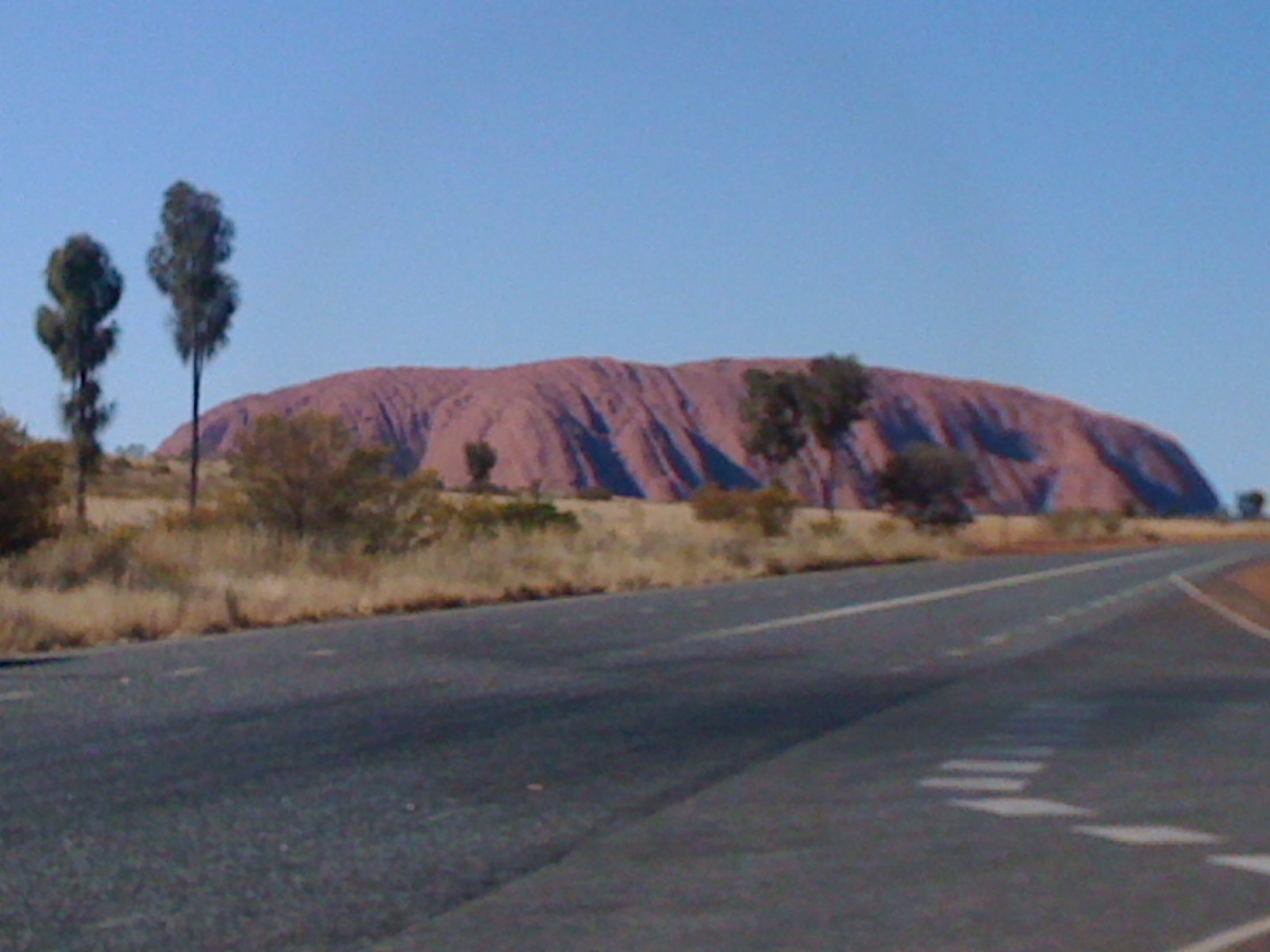
I've just come back from working out in the Australian desert as a remote area nurse for a month...and what I have brought back with me is a deep sense of Peace...the wide open spaces, the ancient mountain ranges, impossibly blue skies and the glowing warm red sand....
Australia is an ancient country....and travelling out to the Outback, you begin to understand just how small and new us humans really are....ancient landscapes that have been here since long before humans started to create their "civilisation" and beging to squabble over territory and money....
So I am am adding that sense of ancient Peace:
Australian Sandalwood for it's deep healing properties. Oz sandalwood is drier than mysore...it carries with it that tang of the desert and the hot sun that forces you to relax, not matter how stressed you are. Sandalwood is one of those magic perfume ingredients that connects all other elements gently and warmly, giving them a base to work together.....which feel very fitting for this potion.
Cinnamon oriental magical ingredient to give warmth and life to everything. It's heat and sharp bring a touch of clarity to the many voices in the Travelling Perfume.
Cardamon and Coriander to add a touch of Love and Passion, because after all, these are what truly bring us together...
One of the Creation Stories of the Anangu People of Central Australia, is that of the Great Mother Snake called  "Kunia". She was very pregnant, and travelled far and wide through the Land, looking for a safe place to lay her babies...she travelled all over the country, from the top end, to the bottom South, From East where the Sun rises, to the Western Coast where she go's to sleep, and she couldn't find a place that was safe and peaceful enough....and eventually she came to Uluru, the huge Sandstone Rock in the centre of the desert that calls so many tourists from all over the world nowadays....and here she came to rest. She laid her eggs, and her children were born. It is truly one of the strongest, most peaceful places in the world.
So this I give to the Travelling Perfume of Peace...a little touch of the Great Mother, protecter of her children from out in the Red Centre of Australia.
And a new word I learnt in Pitjanjara: "Palya!" All is Good!

Tuesday, June 19, 2012

ECLIP

Today I am writing about a fantastic innovation a couple of my collegues have come up with!
One of the hardest battles us natural perfumers face, is that of information.
You see the general public has little way of understanding the diference between what we do, and what the larger conventional perfume companies do.
I mean, my neighbour tried to tell me the other day that Chanel No5 was made out of natural Ylang Ylang Flowers!
Unluckily labeling legislation does little to help here..
Basically, you can put anything in a perfume, and the label itself will say helpful things like :"contains: alc. denat., water, perfume."
The big companies are also beginning to jump on the natural bandwagon and are selling a wide range of cosmetics and now even perfumes with lovely natural imaes and hints in their advertising that make people think they ARE actually natural.


So it's time to fight back.
And here's where ECLIP comes in:
ECLIP stands for Complete Ethical List of Ingerdients in Perfume.
Sounds pretty clear doesn't it?!
The idea behind it is to simply start openly and clearly showing exactly what is in out perfumes useing a standardized format. The format we are useing is the ISO (International Organisation for Standardisation) standard for cosmetic ingredients, that can be found on the ISO website
That way, consumers can make a clear and informed decision about what they are buying!
Revolution through honesty, hows that for a cool idea?!

And it may well work.
The more of us who do this, the more pressure will mount for the bigger companies to do this too.

I have posted the ECLIP list for my company below, and here is also a webpage which is the start of our true revolution:

Natural Perfumers who use ECLIP


ECLIP of "Perfume by Nature"
ETHYCAL COMPLETE LIST OF INGREDIENTS IN PERFUMES  


WHAT I USE IN MY PERFUMES

Absolute
as defined by ISO 9235
Alcohol natural
Animal Extracts and tinctures: (Hyraceum, Honey, Beeswax).
Concrete: as defined by by ISO 9235
Essential oils: as defined by ISO. 9235
Extracts: as defined by ISO 9235

Natural molecules isolates obtained from essential oils
Oil Vegetable
Resinoids: as defined by ISO 9235
Tinctures: as defined by ISO 9235


Wax  from bees (for solid perfumes)


WHAT I DO NOT USE IN MY PERFUMES

Alcohol
synthetic
Aroma chemicals from chemical synthesis of petroleum derivatives.
Aroma chemicals from chemical synthesis of natural raw materials  
Denaturant for alcohol
Natural molecules (Isolates) from bio technology
Ogm ingredients
Oil MIneral (paraffins)

Preservatives (natural) ex. wheat germ oil
Preservatives (synthetic) ex. vitamin C
Wax from petroleum (for solid perfumes)  


Definition of the products listed on ECLIP      


Absolute: extracted with ethanol from concrete or resinoides. Ethanol is then removed.
Alcohol natural: obtained from natural raw material source (grain, corn, cane) by fermentation then distillation.
Alcohol synthetic, synthetic ethanol is obtained by mixing ethylene (gas obtained from petroleum or fossil gases) with steam at a temperature of 300° Celsius.
Animal Extracts and tinctures: obtained by treating animal raw material with ethanol. To obtain the Extract the solvent is removed (es. civet, Castoreum, Hyraceum, Ambergris, Honey bee).
Aroma chemicals from chemical synthesis of petroleum derivatives.
Aroma chemicals from natural raw materials (acetate vetyveryle, acetate cedryle ecc…): Single molecules obtained from chemical reaction of natural raw materials with acids to obtain acetates, cinnamates, brassylates etc.
Antioxidants (natural) es. wheat germ oil
Antioxidants (synthetic) es. vitamin C or E
Concrete: obtained from botanical raw material usually extracted with solvent (hexane, supercritical CO2) then the solvent is removed.
Denaturant : in perfumery the combination of 2 chemical products is used to disable human consumption. The chemicals used for denaturation are MEK (
methyl ethyl ketone), of controversial health impact and Bitrex.
Essential oils: obtained by steam distillation of natural raw material or cold press in the case of citruses.
Essential oils which significantly change in composition (folded essential oils, fractioned essential oils , x-less essential oil, molecular distillation). materials which has been eliminated reduced by re-distillation
Extracts: obtained by treating natural raw material with volative solvent which is then removed or non volatile solvent that is not removed at the end.
Natural molecules (So called) or Isolates, from bio technology (patent secrecy on process and origin material) obtained from microbiological synthesis. the problem is related to the secrecy that the producers keeps on the origin material of these products with the excuse of patent propriety and confidentiality.
Natural molecules (isolates) obtained from essential oils by distillation. Mostly obtained from fractional distillation of natural essential essential oils.
Ogm ingredients any ingredient from genetically modificated raw material
Oil mineral (paraffins) derived from petroleum. obtained from crude distillation of the same.
Oils vegetable (jojoba, mandorle ecc) from natural source obtained from cold pression without solvents
Preservatives (natural) ex. wheat germ oil, used to prevent the deterioration by oxidation
Preservatives (synthetic) ex. vitamin C, used to prevent the deterioration by oxidation
PG and DPG (Propylen Glicole, Dipropylen Glicole) synthetic solvent from petroleum used to obtain extracts from natural raw materials: PG is used mainly to obtain cocoa extract: the PG is NOT removed.
Resinoids: obtained from dry botanical raw material extracted usually with ethanol, that is then removed.
Tinctures: obtained from ethanol maceration of raw material (also called infusion in perfumery); the exhausted raw material is filtered off.
Water
Wax  from bees (for solid perfumes)
Wax from petroleum (for solid perfumes)

In all our fragrances are present the 16 so called “natural allergens” contained in most essential oils, they are:
  • cynnamic alcohol
  • hexil cinnamal
  • citral
  • eugenol
  • geraniol
  • hydroxycitronellal
  • isoeugenol
  • anisic alcohol
  • benzilbenzoate
  • benzyl cinnamate
  • citronellol
  • d- limonene
  • cynnamaldehyde
  • farnesol
  • linalool
  • evernia prunastri extract


Naturalperfumers that use ECLIP


The list of "natural allergens" is a biot more controversial.
It's one that was basically set up by IFRA, the international perfume association. And defines ingredients that they have decided can cause allergies in some people, and sets standards for the amount in which these can be used in perfumes, as well as demanding that these be declared on labels.
Perfonally I think it's a load of rubbish, as it doesnt incude the many many artificial perfume ingredients that can cause nasty reactions in so many people...and also doesn't take into account that essential oils are complex synergies that contain these chemicals in small amounts...which is a totally different thing to the way the perfume industry uses them.


However, IFRA is such a powerful mover and shaker in the business world that many individual countries have started to legislate useing their standards.
And to be able to sell perfumes legally in most European Countries, we now have to include that list, to warn people that our perfumes contain these dangerous natural chemicals as part of the essential oils we use!

But thats another story alltogether..
Anyway, here's to a new revolution in honesty in business!

I'll be including this list on a whole page of it's own on my website, as soon as I can find a new webtechie to fix up my official website!


Thursday, August 18, 2011

For all lovers of Orange Flower

field of bitter orange trees
A few months ago I came accross an essential oil company I hadn't heard of before...
A Fahkry & Co, an Egyptian company that distills and sells an amazing collection of essential oils and absolutes, including a special organic collection the widest range of orange flower, neroli and petigrain versions I've ever come accross! The website is pretty impressive in it's description of it's various organic endeavours, from new organic farms to seed saving and gentle extraction methods...and it's so refreshing to see companies outside of Europe adopting green approaches! I'm always a bit suspicious of companies I've never heard of before, esp. those that make organic claims, but these guys are very forthcoming with information and sent me an amazing collection of samples along with sheaves of accompanying paperwork with detailed analysis sheets for all the oils! And I'm rather impressed with the quality too, no cheap synthetic knock offs here!
I'm going to review the oils I've got here in groups, because there's simply too many to cover in one post!
What really blew me away was the range of citrus products! Ive never seen so many forms of petigrain and biregarde in one place before!
I know that this is a particular love of many perfumers, so I thought I'd write about them in more detail with my own scent impressions!


Orange flower absolute  Deep, fruity with almost nutty undertones

Petigrain bigarade absolute This one I particularly love! It has such lovely fresh twiggy notes along with the petigrain freshness and a wonderful tea note!
neroil egyptian a tangy neroli

mandarin petigrain  wow, a petigrain with a touch of mandarin sweetness! It's also got that fresh twig sappy feel to it....a real natural sorta woodsy mandarin touched scent!
key lime petigrain  and then a real tangy, citrus petigrain...almost lemon verbena notes!
biregarde flower extract this is a zingy floral, lighter than the orange flower absolute
petigrain bigarade  earl grey notes...very elegant

bigarade green  notes of green mandarin
bigarade rouge this is softer than the petigrain mandarin...it's just lovely...softly mandarin sweet fresh green....
distilled fruit birgarade  this is soft sweet citrus, undefinable which one, and much gentler than the straight cold pressed oils....I want to use this one in a floral perfume, with maybe a delicate white rose....
Key Lime distilled I want to bathe in this one! Lime lollies on steroids! I've loved lime essential oil for a long time, but this key lime has an added tang, almost like a touch of grapefruit and lemon verbena...I'm in citrus heavan!

My nose is dizzy just from reviewing them all one by one! So much vareity within a simple theme...absolutely lovely!
They also have an impressive range of herbal oils, as well as some really nice rose and jasmines....which I'll be reviewing later on!
All up, I'm delighted to have found these people!
They also have one of the holy grails of hard to find oils: CAROB essential oil! They were out of stock when I contacted them so I'm still waiting impatiently!

Saturday, July 23, 2011

Pan's Midsummer Night Dream


I recently took part in a wonderful perfume competition, "A Midsummer Nights Dream" run by the lovely Amanda Feeley from  Essentual Alchemy. The idea was to create a perfume inspired by William Shakespear's play. The perfumes were then sent to a number of different perfume reviewers.
What I find really beautiful about this project, is the artwork the reviewers used to accompany their reviews! So I've reposted not only the reviews themselves, but also the paintings that accompanied them!
You can read more about my offering to this project "Pan" here:
"The Story of Pan"
and you can order samples of it in my webstore


Carol from WAFT wrote:  LOVE THIS !
Sir Joseph Noël Paton - Evening
An intoxicating patchouli scent that could fit just as easily into the summer of Patchouli love , but this was created in honor of Puck = a tamer , gentler version of Pan in our Shakespearean play....PAN the scent is wildly gorgeous - a green earthy Rosemary and Patchouli scent , deepened with oakmoss and embellished with cinnamon , nutmeg and thyme....lordy lordy this is wonderful . Long have I searched for the perfect rosemary scent ( that doesn't remind me of lamb stew )...Dominated by rosemary , PAN is my favorite scent of the summer ! Earthy , resonant , spicy and just outright sexy in the best way .

The Windesphere Witch writes:
"I can't resist a perfume that claims...."If you don't want to get laid, don't wear it". Pan

is a  perfume that I think could definitely live up to that challenge. It's very masculine, the horned God himself and the muskiness mixed into the delicious blend of rosemary, thyme, marjoram and Indian Patchouli is delightful and exquisitely sexy in a sort of "roll around naked and sweaty in the tall grass sort of way" and it smells incredible on my husband, better than it does on me and I think that this one takes a man to unleash it's potency. Pan is quite herbaceous but there's also something in it that reminds me of my horse Henry when we've been galloping around in the dense woods for a bit and he's fairly sweaty and so am I. It's that fine line between animal passion and human playfulness that I think that she's captured here and she's done it very well. At first sniff Pan seems simple and then suddenly you're enslaved by his lovely flutes. Follow him anywhere but at your own risk.....unplanned risky delightful sex in a bottle this one is:)
Donna from  Perfume Smellin'-Things wrote:

"My next adventure was a frolic with Pan, the very naughty brainchild of Ambrosia Jones, proprietor of Perfume By Nature near Sydney, Australia. Pan is a wild fellow indeed, but as with many purportedly “masculine” fragrances, many women love to wear them too and this one really won me over. Pan reminded me of the more rustic perfumes from La Via del Profumo in Italy, which is saying a lot, because those are truly excellent compositions. It’s not as heavily animalic as my beloved Tcharas or as green and exhilarating as Hindu Kush, but it has its own distinctive character. Pan (The character of Puck in A Midsummer Night’s Dream is a thinly veiled version of the mythical Greek satyr) has a dry, sun-soaked halo of herbal and piney warmth wrapped around its chypre base of dark oakmoss and resins. Rosemary and thyme combined with a spicy (yet not sweet) heart make this redolent of warmer climes, and it’s not hard to picture this mischievous being frolicking in the rugged hillsides above the Aegean Sea, chasing buxom women and laughing the days away. I don’t get too much of a “night” impression from this, but surely most of the trouble Pan/Puck gets himself into occurs in the midnight hour! He is up to no good and so is his namesake perfume, a lusty and rich concoction guaranteed to turn heads. In fact, I received an unsolicited compliment from a co-worker, who urged me to come closer so she could smell my perfume. Staying power is excellent, lasting all day with no problem at all and any confident man should really enjoy wearing it. However, he will have to pry it out of my hands first!


Felicia M Hazard of Fragrance Belles-Lettres


I must confess, I am a fan of chypre. It gives me a deep feeling of completeness and wholeness that is actually indescribable.  Thank goodness for a fragrance that speaks for my indescribable feelings. PAN from Perfume by Nature leads you into a journey of a woody citrus forest that is guarded by Pan, God of Nature. You immediately notice patchouli that sings of a deep moment in the wild.   Then you are guided into a forest full of oak trees covered in moss.  The tall dark trees towering over the forest with a heavy passion for dark and intense moments that arise in PAN.  
  Quickly PAN dries on the skin into a sweet passion fruit state of mind. I really enjoyed this journey with Pan, God of Nature. It showed me that nature is better when left alone without the use of chemicals and pesticides to ruin what is really intended for its goodness.   
Now, I understand why Pan is so wild about nature. It is a wonderful place to be and thanks to Pan, Ambrosia Jones was able to compose a beautiful perfume with a beautiful message through her knowledge of the God who is passionate and respectful of all Things Living. 


Monica Miller from "Perfume Pharmer"
" Earthy, wild and spicy, I would say Pan would make a great men’s fragrance…but hey, PAN can go both ways, and often does. Definitely evergreen forest like, there is a camphor herbal lift and a playful, botanical and animalic, spiced apple cider- musky undertone. I say “try it!….if you dare….”

And this beautiful poem: 

"Ah the Oft maligned and scorned God Pan! What has he done to deserve your wrath, O Christians, that you turn him into the Evil One? How strange to take a Pagan God, a nature spirit, and pit your hate against him, why?

Is it his sexuality you fear? His sweet pan pipe music that turns your heart to gold?

Do you fear to feel yourself as part of nature, as natural as the grass and the trees, as natural as life itself?
Fear not the divine spirit we call PAN. He is NOT the devil as you say. he is not dressed in red, nor does he live in a fiery abode. Unless the passion we call desire that drives the human race generation by generation is evil?
We ride towards our future on the back of PAN

We express joy, laughter, giggles and all things fun and good with PAN

We eat drink and make merry on our holidays with PAN

We revel, we intoxicate like drunken monkeys on fermented fruit, in a natural way..with PAN

We forget our troubles for a moment lifted by the music of PAN"


Carol from Waft is also selling sample collections from "The Midsummer Nights Dream" project through her online store The Niche Place , contact her directly to ask about this!

Friday, July 1, 2011

"Happiness" for the "Summer of Patchouli Love"

My own Offering to the "Summer of Patchouli Love" is a perfume named "Happiness".
Why did I choose it for the patchouli challenge?
Originally I was going to start from scratch and create a totally new patchouli perfume...I was thinking I'd go for a floral patchouli, maybe Rose and patch with a touch of jasmine...something deep and sensual that would evoke the 60's indian headshop oils the way most of us remember them....(and also because previous perfume competitions seem to have shown that most women love floral perfumes over everything else!).
I started working on a few variations and they seemed quite promising...but I got talking to a few friends about the project, and one in particular remarked "I really HATE patchouli!". I almost fell on the floor laughing, as she is also a loyal customer of mine who has been buying and wearing my "Happiness" for a number of years now...and it's really heavy on patchouli!! "No way!" she said when I told her this, "I KNOW patchouli and there is definitley NONE of that nasty heavy moldy stuff in "Happiness", I'd KNOW!
So I dug out the recipe and showed her....but it got me thinking....
"Happiness" is actually one of my oldest perfumes...it started it's journey many years ago when I first discovered essential oils. I was suffering through a dark depressing winter in Berlin and looking for oils to use in my oil burner that would cheer me up a bit...I had just been reading about the anti-depressant effects of Patchouli and decided to try it out. I carefully dripped a few drops of the thick dark brown liquid into the buner and was enveloped by a sense of woody warmth....dark, comforting, woody/sweet...it definitely made me feel safer and less dejected...I then added a few drops of lemon oil, as the same trusty book had just told me that this was a good antiseptic to use to ward off colds...and as the two scents mingled, I sat back in amazement! Suddenly there was a beautiful, cheerful scent that was somehow something totally new in the air! These two completely different oils complemented each other amazingly well, and not only that, I found myself suddenly feeling hopeful, almost joyful and well, Happy!
10 years and a whole continent later, I found myself living on a hippie community in Nimbin, Australia. We were flat broke, and I was making up my first ever batch of annointing oils to try and sell at the local markets. And one of these was a blend I'd made based on my experience with patchouli and citrus in Berlin which I'd named "Happiness" which was meant to cheer people up!
I'd added sandalwood to the blend which is another soothing oil from therapeutic point of view, and it was pretty bloody yummy! (note for non Australians: "bloody" is a word commonly used by us Ozzies to describe everything good bad and otherwise. We do not regard it as a swear word, but as normal everyday language usage to replace the word "very".)
The hippie customers at the market seemed to think so too, and my career in scent was born!
As the years went by and the business grew, I played with the recipe and made "Happiness" into bath and massage oils and eventually into an alcohol based eau de parfum version. And it went on selling. My perfumes became more sophisticated as time went by, as I added more exotic flower absolutes, and clever gourmand notes and Chypres to my designs, but "Happiness" remained one of the most popular scents, wherever I went. Men and women both bought and wore it, and even those that went for the deeper sexy florals would often by a small bottle of "Happiness" to wear to work or as a "pick me up" perfume too.
And I think this is one of the things that makes it special.
"Happiness" was one of the first ever "Aromatherapy" perfumes out there. If you read some of the posts that conventional perfume critics have written on the subject of Natural Perfumery, they will use this term in a derogatory manner, as if somehow, the fact that a perfume designed to have positive effect on the body automatically makes it somehow dilletantish and crude. Personally I think they couldn't be further from the truth. I'm a hippie green revolutionary at heart, and Natural Perfumery to me is in essence a form of Cosmetic Permaculture. The art of making a perfume beautiful, organic, sustainable and healthy makes into an even more beautiful work of art in my books. And if the perfumer is skilled enough to make a scent therapeutic as well as delightful in smell....
And as I went on thinking about the concept of designing a perfume to embody the spirit of the 60's, I began to wonder if maybe "Happiness" might be just perfect...
After all the 60's were all about changing the world. Bringing back a sense of harmony between Nature and Humans, and also about Love, Peace, caring for one another and well, spreading a little Happiness!
So in the end I decided to submit the very perfume that I had been inspired to make by my own quest for inner Peace.
It's a slightly more sophisticated version of my original annointing oil nowadays... the patchouli is a particularly fine aged one...the sandalwood is a more eco-freindly Australian version from sustainable plantations....the lemon is a soft, fresh green lemon from unripe fruits, with a touch of lime to give it a fresh tang...and theres a tad of spice and a nuance of vetiver to give it body and depth.
But it's still based around Patchouli and Lemon, same as the first drops in my oil burner in Berlin, all those many years ago.
The 60's were all about hope, and humanities adolescant dreams of Peace and Love...
And "Happiness" grew from mine!

I'll be posting what the critics thought of "Happiness" in my next blogpost, and there will also be a number of giveaways you can link to if you'd like to win a bottle of "Happiness" to try for yourself!

Peace Love and Patchouli!


Saturday, January 29, 2011

Aphrodisiacs and Perfume


I've been making perfumes and incense for over 20 years. And I have found that one of the most mysterieous, sought after and debated topics in perfumery is aphrodisiacs.
You still see adds all over the place for perfumes and colognes containing "pheromones guaranteed to attract the opposite sex", and let's face it, one of the main reasons we even started splashing ourselves with scented ingredients was in the hope that we'd smell pretty to potential mates!
Most of the surviving ancient perfume recipes are about Love or at least Sex. Cleopatra's famed unguents were part of her weapon arsenal in bedroom politics...Napoleon and Josephine each had favoured potions that they used to perfume their bodies before they met up after each of his bouts conquering other countries...
And then of course we have the famed "Love Potion No 9" from the 60's song that has inspired so many perfumers (including me) to atempt their own olfactory version...
The historical perfume recipes of the 1800's all have bases of various musk components, musk deer glands, civet, hyraceum, ambergris....all of these an attempt to copy the musky component of our own sweat, in the hope of amplifying our own attractiveness....
Scent actually drives the mating rituals of most species, from mammals to flowers and insects even!
Male deer in rut actually drip thick gooey stuff from various glads and leave trails of intensly musky smelly goop on the trees they rub up against...the smell carries for miles through the forest...dogs leave similar scent trails, both maile and female, and it never ceases to amaze me from how far away a male dog can sniff my locked insie the house bitch when she is on heat!
And think about this for a moment: Why do flowers smell pretty? To attract insects and birds to come and dip in their nectar, and carry the pollen containing genes to other flowers!
Flowers are in fact a plants sex organs.
In fact a vast number of the ingredients of perfumery are based on the various aphrodisiacs of the natural world.


So let's have a closer look at a few of them:

The most obvious ones of course are the musks.
The whole birth of modern chemical perfumery was actually triggered by the attempt to create a cheaper and more readily available form of Ambergris, Deer musk and Civet.
And the number of different musks available to the modern chemist perfumer is quite astounding.
The Natural world offers a number of wonderfully musky ingredients too, even without useing the animal based deer musks that bring with them questions about animal cruelty and sustainability: Hyraceum and Ambergris are both animal musks that are actually left behind by the animals.
Hyraceum is a fossilized form of excreta left by generations of small African mammals who pee over and over again on the same place.
It's not easy to get, but it's an amazing substance, animaly and musky and woody, and throughly wild!
Ambergris is a substance spat out by whales that then spends years to decades floating around on the sea purifying, until one day it washes up on the beach to be found by some lucky person who then sells it on for thousands of dollars to avid perumers. Personally, I don't get much off it...it's just dry and faintly resonant of orrisroot and some sort of musky scent...but it does have a fixative effect in perfumes.


Then there's the spices:
 All spices have the effective of getting the juices flowing. They are biological stimulants, designed to heighten our bodies functioning and awaken our appetites...
Of these the ones with the most aphrodisiac effect are Cardamon, Coriander and Cinnamon, Ginger and Pepper. All of them are warming and yummy in food, but in perfumes they add life and warmth and literally "spice things up".
Cardamom is probably one of my favourites. It has a sweetness and depth to it that makes it very sensual...it features strongly in my own offering to the Gods of Erotica: "Love Potion" which was my first spicy Oriental designed to live up exactly to it's name...the idea being that if you felt sexy and passionate, that was the energy you'd give out to the world and attract to you....Kind of my own Aromatherapy version of the infamous "pheromone attractant" perfumes I mentioned above, grin!
Pepper is a really interesting one. It adds bite and Life to florals and fruity blends if you manage to dilute it far enough down....
Cinnamon and Ginger are both used in Chinese medicine to warm the body and spirit, and make great additions to any kind of aphrodisiac massage oil (though be careful again to use them sparingly...cinnamon in particular can be too much of a good thing very quickly! but it does definitly stimulate the tissues! Recently cosmetic manufacturers have started adding it to lipsticks to make the lips swell up and look more sexy! so if you take that a bit further down.....


The roots and woods:
Vetiver is probably the most aphrodesiac one amongst them for me...there is something so deep, pheromoney and wild in a good Vetiver, it makes my skin tingle just smelling it...

Sandalwood is the sweet gentle one amongst the Aphrodisiac ingredients. It has soothing anti depressant properties as well as being sensual and loving. It is elegantly unisex too and blends harmoniously with almost everything
Patchouli is a bit more of a wild child. It's deep, sweet and woody depth is something you either love or hate. For many people it's strong association with the Hippie Era of the 60's makes it either wildly attractive or tacky and "too earthy!". Like Sandalwood, it has been used in Indian Auruveda medicine for centuries to cure depression and other mental imbalances, (as well as repelling moths!) It's one of my personal favourites but it does take some skill to incorporate it harmoniously into a blend without allowing it to dominate.

Another group of sensual scent elements are the Gourmand notes such as Cocoa, Vanilla, Honey, Caramel and Coffee...all of these make our mouths water...and create feelings of increased appetite, Craving and of course eventually, Satisfaction.
The Adult novelty industry sells a number of body butters with both Chocolate and Honey flavouring, and Vanilla is one of THE most popular fragrance notes amongst women.

I spent a lot of time experiementing with these when I was designing "Craving" for the "Mystery of Musk Project" run by the Natural Perfumers Guild last year.
For me, Gourmand smells are some of the most erotic of all (OK, I'm a serious food head too), but a lot of people seem to feel this way. I had made a perfume called "Death by Chocolate" some years earlier and it never ceased to amaze me how many men found the scent seriously erotic on their girlfriends.
So it was an obvious step for me to take it that one step further and combine these wonderful Gourmand notes with some seriously hard kicking Animalic musk notes in "Craving"....
I'm working on a body oil version of it at present after one of the critics from the MoM project actually specifically requested this for her boyfriend!

And last but not least, there's the Flowers of Myth and Legend:
Fragrant Jasmine of the Arabian Nights, what could be more magical and sensual? Of all the scents associated with Lov3e and Passion, Jasmine has to be the most well known of them all!
Not many people get to smell actual jasmine though, unless they happen to be into aromatherapy or natural perfumes! As with most of the ancient perfume ingredients, the jasmine in modern day perfumes is made up of chemical compounds made to immitate the original, and many of the perfumes that list jasmine as one of the prominent notes within it, bear only a passing resemblance to the real thing.
There are 3 types of jasmine commonly available, and of the three, jasmine sambac is by the far the most erotic. Real jasmine Sambac has a deep musky quality underneath the sultry intoxicating flower topnotes that grabs you by the gonads. It is one of the sexiest scents that Mama nature ever gave a flower, and the scent of the tiny white flowerswafting around you on a starry summers night is truly intoxicating. Here in Australia the lovely dark green vine grows abundantly up and over verandahs everywhere, so for me it is one of the smells of summer...

Rose is the true Queen of perfumes of course. One of my first true olfactory loves, some of my earliest memories involve crushing the rose petals of my mothers delicate "Peace" roses in our English garden...the combination of sweet, lemony softness with it's fresh green magic had me sniffing and sniffing as I tried to follow each tantilising magical layer as it appeard adn then faded....
I have a number of different roses in my own garden now, and the difference amongst them ranges from delicately peachy fresh to musky deep and warm....no two roses smell alike, yet each has that undeniably recognizabe "Rose" note to it.
The deepest of all is one I am yet to find in extract form: "Papa Mailand", a deep crimson rose with huge velvet petals and the most intoxicatingly sexy rose smell I have ever encountered.....
I've come close to recreating it with Rose Marroc and a few of the deeper root oils...but I dream of one day distilling this one myself...


So you can see there are many incredibly sensual ingredients a natural perfumer can play with...I hope this has inspired you!

Have a Wonderful Valentine's Day!

Monday, October 4, 2010

Natural Isolates chapter one

"Playing with the Dark Side"

Well, I finally got hold of a collection of natural isolates to play with...
(For those of you not in the "know" , natural isolates are the current buzz word amongst botanical /natural perfumes. They are chemicals that have been "isolated" from natural sources, usually useing fractional distilation. Because of their natural origins, these fragrance chemicals are being added to the pallette of many natural perfumes, but some feel that since they are actually isolated chemicals, rather than complex scented simple extractions such as essential oils and tinctures made directly from the plants, that they are no longer "natural" as such. For me they fall into a grey area that I haven't made up my mind about yet, hence my following musings.)
For days, I circled around them, unscrewing the lids and sniffing them suspiciously...
They make me nervous...
Essential oils I understand deeply. I know the herbs and the fruits they come from, their effect on the human body, how much I can use safely, what they do...they are my freinds and my playmates, beloved for so many years that they have become as familiar to me as the food I eat.
But these babies in their sterile little bottles, with strange chemical names i forget as soon as I have read them, are completely unknown. Wierd strangers in my happy friendly workshop full of dried herbs and tree resins.
How do I use them? What will they do to me if I spill them all over the workbench and the workshop fills with their fumes?
I go searching on the Internet, and all I can find is guidelines for the safe dilution percentages in an actual skin contact blend. Nothing more. And it reminds why I've shied away from artificial perfume ingredients for so many years...(beyond my disdain and repulsion by the actual smell of so many of them of course).

This little group of isolates form a pallette of singular scents.
Nothing as unpleasant as some of the artificial blends I have encountered, but they are very different to the essential oils and absolutes I am used to. they seem almost one dimensional, and totally missing the complexity of my usual ingredients.
Some of them are very familiar....the lollies of my childhood were obviously flavoured by "citral" and "ethyl decadionate"...and the bright purple grape flavoured bubble gum we used to beg off American Gi's from the army base next to our school was obviously given it's flourescant ultra grape flavour with the help of "methyl anthranilate".
Others are completely alien and slightly repulsive to my nose, such as "phenyl ethyl alcohol" which to me just smells like plastic, and "bucco leaf" which isn't a leaf, and is one of the notes I have smelt in many noxious plants that to me just sends warning bells of "don't touch!" and "hazardous for consumption" all over the place....

Some again are obvious in their origin. "Eugenol" is the baby cousin of All spice and Cloves and probably an unobtrusive replacemnt for them if you want a weaker, less obvious spice note...and "methyl cinnamate" is actually a weak cinnamon smelling thing.
But I still don't see the reason not to use the real spices in the first place.
If I want to create a perfume that calls up the poison rings of the Italian Gibraldi family, I might find a use for the bitter almond touch of "benzaldehyde".But so far, only 3 of these new toys really tempt me to any kind of olfactory experimentation:
And of course, they are fruit notes. The only family of accords I have found missing in my extensive natural pallette have been fruity notes. I crave juicey strawberries, succulent grapes and sexy figs so much....
and here I see possibilities!
"Raspberry ketone" offers the warm deep note in the base of a fresh raspberry...it lacks the freshness and the juicy citrus aspect of the real fruit, but it is a warm fruity note that you can't find amongst the freely available citruses which form the only freely available fruit essential oils you can get.
"Butyl butyrate"smells of over ripe bananas to me, which gives me all kind of wild ideas of wierd and wonderful blends I may be able to create...
But so far, my cherished favourite amongst the bunch is "Strawberry fuarnone".
This baby to me speaks of caramelized strawberries.You know, the sticky stuff you end up with when you cook strawberry jam on the stove too long and the sugar caramelizes and the whole thing ends up as a rock hard lump at the bottom of the pan, enticing you to chew on it with it's sweet warm toffee smell.....
OK, so there's none of the depth and layers here that you get with strawberry jam of course, but there's enough of the warm caramel edge with a touch of fruitiness to tempt me....
So following my noses inspiriation, i set out to create jam notes, sweet, sugary and deep....
I sloshed around with some flowers and cirtus touches, and lo and behold, a very respectable apricot/peach jam accord appeared in a little bottle of sherry coloured liquid!

What made me uneasy working with it though, was that I had to literally dilute the fuck out of it to get it to a point where it didn't dominate the scent completely. And it's tenacity on the skin was a bit daunting too.
I can see why this is a good thing for conventional perfumers, but for me, it's very indestructability and intensity make me wary of it's actual biological effect on the body, both for those wearing perfumes and for the perfumer working with them.

After a few weeks playing with these things, I feel....well, a bit dirty.
And it feels heady, as if I had been dabbling in forbidden fruits, drinking strong liqour laced with a coctail of heroin and speed instead of my usual organic wine, or even an honest scotch whiskey!

My workshop smells of strange, intense things, no longer just my known and trusted friends, but wierdly intense and fluorescant things.
Will I use them in my perfumes? I don't know.....
I'm tempted for sure.....but will my soul ever be the same?
Will I lose myself down the road of so many perfumers, seeking the cheap thrill of new and intense olfactory effects and end up drowning in the cheap, the artifical world of conventional perfume chemistry...
Or will I find a way to dabble just occasionaly...and give in to the drugged visions of an Ultraviolet Cheshire Cat perfume, a Grape flavoured Grin hovering over a shimmering transparent body?

I'll keep you all posted.......

Thursday, September 23, 2010

The difference between Aromatherapy and Natural Perfume

There's been a debate withon the natural perfume community lately, as to what the difference is between Natural or Botanical Perfumery and Aromatherapy.

Conventional Perfumery has been poo pooing Aromatherapy ever since it started to become popular in the 1980's. But then Conventional Perfumery poo poos Natural Perfumery too, so I don't really see how their opinion matters either which way here.

Aromatherapy is the art of useing essential oils to create a certain therapeutic effect, both emotionally and physically. As I wrote in my previous blogpost, essential oils have been used for centuries, both in perfumery and for medicinal purposes.
All scents have an effect on our emotions and hence our bodies, be they natural or artificial.
Our sense of smell is directly linked to the emotional part of our brain, which in turn has a direct biochemical effect on our body, raising or dropping levels of hormones and other biochemicals depending on the scent.

Musky scents arouse us, sweet and foody scents make us salivate and increase stomach aci, citrus scents and mints make us feel awake and refreshed, regardless of their origin!

So from that point of view, ALL perfumes are a form of Aromatic- Therapy.

 To get back to the nitty gritty though, modern Aromatherapy defines itself by the use of individual or combinations of pure and natural essential oils, either by diffusion or application to the body in form of massage oils & suchlike. And the focus is initially mainly on the effect of said oils, rather than the actual smell itself.

Natural or Botanical Perfumery in contrast, focuses primarily on the smell created by combining different natural materials.
The pallette of Natural Perfumery is also much larger than the that used in most schools of Aromatherapy, drawing not only on essential oils, but also a wide variety of absolutes, extracts, resins, herbal, fruit and other infusions and basically, anything natural that has a pleasant scent!

I should probably mention here that, much as I love Aromatherapy, use it on a daily basis and am incredibly grateful that it's has introduced millions of people to the benefits of useing essential oils,  I am a bit critical of a lot of the stuff touted in aromatherapy courses.
I started working with essential oils before Aromatherapy had hit the big popularity stakes, and have viewed it's evolution at first with great joy, then with growing annoyance.
Essential oils are wonderful things, and their effects can be amazing...
But a lot of the the textbooks have stolen their information wholesale from each other, and most of it is simply cribbed directly from much older books on herbal medicine. And this simply doesn't work.
An essential oil is the volatile part of a plant made available by distillation. The plant itself in many cases contains many other chemicals that may or may not be important in it's physical effect on the body.
On top of that, there is a huge difference in the way your body aborbs things, and drinking a tea made from a herb (which is the way most herbal medicines are taken) is a very different thing to having the dilted oil from the same plant rubbed onto your skin during massage.

This becomes very obvious when you read the warnings about when which oils are safe for use during pregnancy. They are, for the main part, pure fiction, and merely the result of essential oil traders trying to cover their sue-able butts.
Arnica, for instance, is toxic if drunk as a tea...but makes a fantastic bruise and varicose vein salve when applied to the legs externally!

Unluckily, as I mentioned above, the text books all quote each other, and somehow this new school of thought with the many faulty text books has managed to wrangle it's way into higher education, so you can now become a "certified" aromatherapist....


Enough of the side rave though, getting back to perfumery, and the question of whether a natural perfume can be an "Aromatherapy Perfume".


Like all of these natural terms, there is no official definition.

For myself, I define it this way:

Most of the perfumes I make are essentially Aromatherapy Perfumes, because when I am designing a perfume, I usually have the effect I want it to have formeost in my mind. I have always used Scent primary to create a certain atmosphere, or as a direct kind of scent therapy.
"Love Potion" for instance was designed for a friend in need of that very thing!
And the ingredients in it are all ones that have an aphrodisiac, stimulating effect on the body and on the emotions. It contains things like Jasmine absolute and Coriander and Cardamon essential oil, all of which you can find listed in aromatherapy textbooks as aphrodisiac and stimulating to the senses....
What makes it a great perfume, is the way they are combined. The balance of each ingredient, and the way they all play together in the blend!

The Rebirth of Natural Perfumery

Our sense of smell is more strongly tied to our emotions than any of our other senses. Smells can evoke crystal clear memories too, like vanilla bringing back the scent of a grandmother baking a favourite cake, or the smokey smell of frankincense the deeply moving feeling of a spiritual ceremony...
Scent has been used for thousands of years to evoke special feelings in us...and the earliest from of perfumery was probably incense, burnt in spiritual ceremonies everywhere from Egyptian temples to North American Indian Sweat lodges to invoke a feeling of religious and spiritual awe and connectedness with tree resins and herbs burned to honour the Gods....
Body perfumes made from plant extracts have also been made for thousands of years....scented oils, hair unguents, waxy cones worn atop of ones head in Egytian high society parties where they slowly melted and spread spread their perfumes through the elaborate wigs they wore...
European perfumery deeloped realtively late in the picture, and took it's inspiration from the far older arabian scent traditions in the wake of the silk and spice trade.
Perfumers in Italy and France began to develop new ways of scenting both the body and the clothing worn by the European Aristocracy, and personalized perfumes developed by the better known perfumers became a much wanted status symbol.
These perfumes, scented leather gloves and pomanders made from exotic and precious ingredients such as true musk pods from the infamous musk ox, exquisite jasmine absolute painstakingly extracted from acres of jasmine flowers etc,  were rather expensive, and really only obtainable by the rich gentry...and as we came closer to our current day, the growth of modern chemistry began to give perfumers cheaper substances to play with.And with these cheap ingredients, and the invention of mechanized packaging and production methods, perfumery slowly became the realm of chemists and factory owners.
Perfume became a everyday item in every suburban household and the wholesale marketing of brand name perfume as a status symbol for everyone had begun.
With time though, people began to realize that a lot of the modern perfumes had sacrificed the magic that traditional perfumes had had, for the sake of a quick profit.
The buzz notes in perfumery became intensity, innovation and above all: price.
The main focus with a new perfume launch nowadays, is what celebrity it will be associated with.
I've seen numerous conventional perfume briefs, and the actual cost of the perfume itse;f is always the smallest part of the budget. Most of the money you pay for even the most expensive french perfumes, goes into packaging design, worldwide advertising campaigns! You'd be lucky to find $5 has been spent on the actual perfume itself!

And then Aromatherapy was born and began to breath a new lease of life into the fast paced plastic world of modern perfumery.

I had first bought essential oils in a conventional chemist in Germany around 1980...natural ingredients never went out of style in German, and conventional chemists still stocked a variety of herbal products and at the time, a limited number of essential oils, such as peppermint and rosemary. But it wasn't until some years later that the term "Aromatherapy" first appeared, along with a much wider range of essential oils.
The first literature on aromatherapy that I ever read was put out by a German company called "Primavera". It was a slim pamphlet listing their oils and the various effects on Mind and Body of each of them. I was fascinated! And spent all of my spare cash on them! I soon began to find other books on Aromatherapy,  and Tisserand and others began to do some serious research nto the subject, which has led to such a wealth of literature on the subject....

From there, Aromatherapy has grown to the point that you can find essential oils in every small town the world over...and increasingly, commericaly available scented products use the popularity of Aromatherapy in their own marketing. (Sometimes they even really use some percentage of actual essential oils in their formulations too!)

This rebirth of the popularity of natural scent ingredients has also led to the rebirth of Natural Perfumery.
Like myself, a small but growing number of independent perfumers started to experiement with the these newly available essential oils, and discovered that they offered a clarity, depth, complexity and beauty that simply wasn't there for them in modern perfumes.

I started to research ancient perfume recipes from all over the world, and looking for the herbs, resins and extracts mentioned in them as I travelled around the world.
And 20 years later, I now have a workshop full of all those lovely ingredients mentioned in the old texts and stories...

And people love them.
Conventional perfumers though will still poo poo this modern rebirth of the idea of useing natural ingredients...I have had countless perfumers tell me that it is impossible to make a great natural perfume...

Personally, I don't really care. My customers seem to disagree, and to my great amusement, the general publics love of Aromatherapy has forced more and more conventional perfumers to scrabble to keep up and start producing their own version of natural scents...
Problem is of course, they simply don't have the know how. Creating perfumes out of traditional natural ingredients isn't really part of a conventional perfumers training, where the focus is far more on chemistry and building notes out of individual chemicals...
And their profit margins lead them to fudge and even lie blatantly about the ingredients they are actually useing.
Which has lead to even health food stores stocking such brands such as "Pacifica" which advertises their "natural" tropical fruit scented wares at prices which real natural perfumes of course cannot compete with....
Then you have the inspired marketing of DKNY's "Pure"...."One drop of Vanilla" supposedly from some poor African village....
What about the rest of the thousands of drops of perfume in the bottle? What's it made of??

Sigh...anyway, getting back to the reality of naturals, and my delightfully messy workshop full of whole jars of REAL vanilla pods, frankincense resin from Omani trees, Essential oils from every possible flower and herb...
THIS is real natural perfumery...complicated, amazing and fascinating!